Edulocation LA
Role: Product Designer & UX Researcher
Duration: 4 Weeks
Skills:
Enterprise UI Patterns
SaaS Design
Information Architecture
User Research
Data Visualization
Status:
In Development
Role:
Product Designer
Users:
LA-based Parents
The Setup:
Problem: LA parents face overwhelming complexity when enrolling children in LAUSD public schools—potentially costing their children access to quality education.
"I have a PhD and I can't
figure out if my son will get
into our neighborhood
school or not!"
Paola
Age: 34
Child's Age: 3
We open on: A family moving into Silver Lake for the walkable neighborhood and community feel. They assume their child will attend the elementary school three blocks away. Then they discover their "resident school" is at 110% capacity, they're in a PHBAO zone, and they need to understand magnet points, application timelines, and strategic multi-year planning.
The Solution: Edulocation.LA
Define:
How Might We empower parents to make informed enrollment decisions within the LAUSD system?
Through interviews with 8 LA parents (5 who successfully navigated enrollment, 3 currently struggling with the process) and analysis of LAUSD systems, four critical insights emerged:
Assess Vs. Commit:
Parents need to understand their specific situation before investing in account creation or research.
Complex Overload:
The sheer volume of options and rules paralyzed parents. They need filters and guidance, not just search tools.
Long Term Strategy
Expert Validation
Parents desire human, expert validation of their plans before submitting high-stakes applications.
Key Insight: Parents don't want to become LAUSD experts. They want personalized guidance that accounts for their specific address, child's age, and family priorities.
Impact: This became the foundation for everything, from business model (tiered service levels) to information architecture (assessment-first funnel).
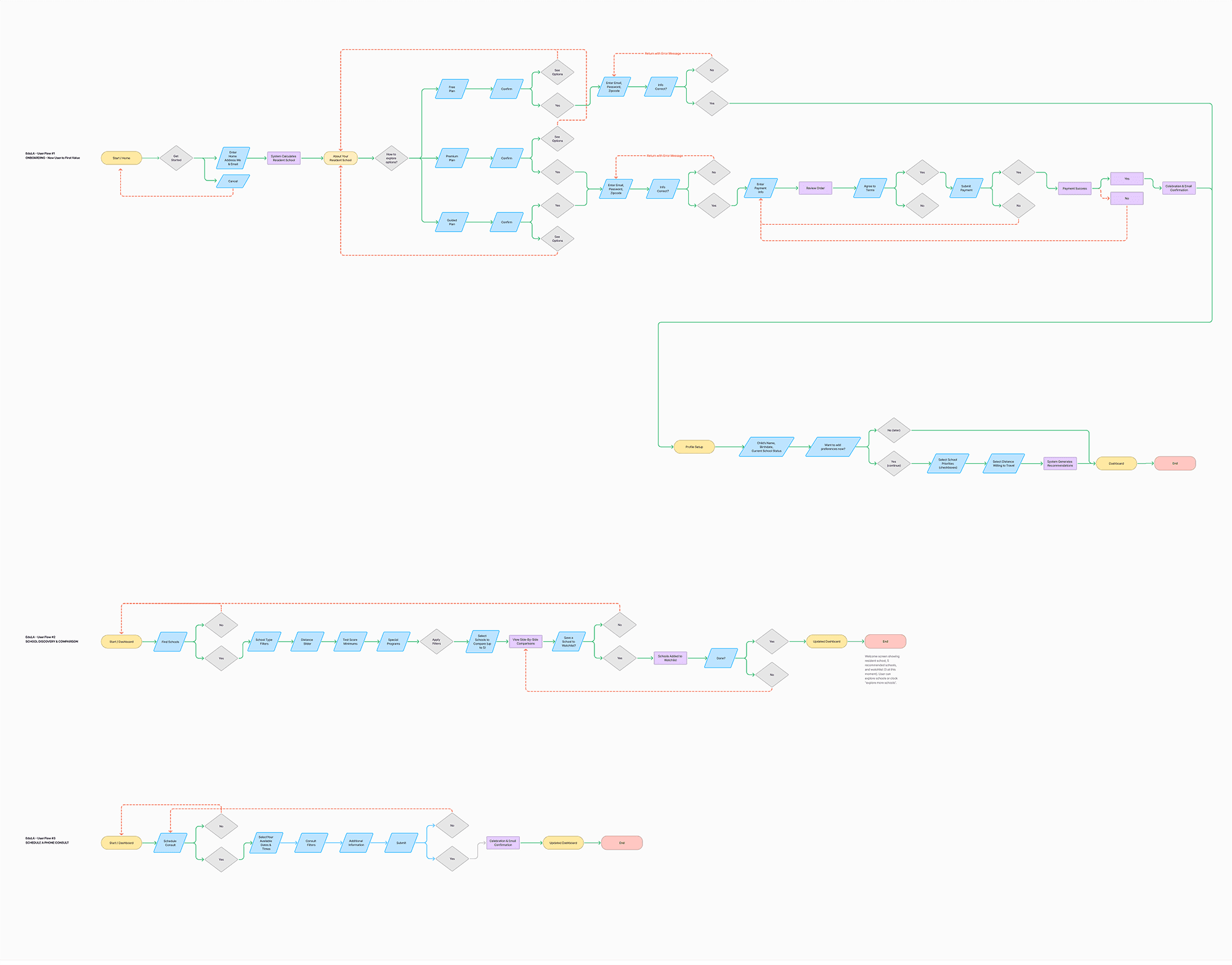
To validate this concept, I mapped the information architecture around the parent's decision-making journey, not LAUSD's bureaucratic structure.
The Arrival of the Assessor
User Story: As a parent of a toddler or preschool-age child researching LAUSD schools, I want to immediately see my resident school's quality and understand my magnet point eligibility before creating an account, so that I can assess my situation and choose the right plan (free browsing vs. strategic planning) based on whether I need help navigating competitive school enrollment.
The Comparing Researcher
User Story: As a parent researching LAUSD schools, I want to search, filter, and compare multiple schools side-by-side based on test scores, distance, and programs, so that I can make an informed decision about which schools are the best fit for my child and family.
The Expert Consultant
User Story: As a parent researching LAUSD schools, I want to speak to an expert, so that I can get one-on-one advice on my unique journey.
LoFi Validation:
Understanding if parents could navigate LAUSD enrollment wasn't enough. I needed to validate which onboarding approach would build trust that functional testing alone would miss.
I tested two competing first-run experiencess with 8 parents: a guided wizard versus an immediate-value dashboard.
The Guided Wizard A step-by-step questionnaire collecting address, child info, and priorities before showing any results.
The Assessment Dashboard Immediate address input with instant resident school results, then progressive disclosure.
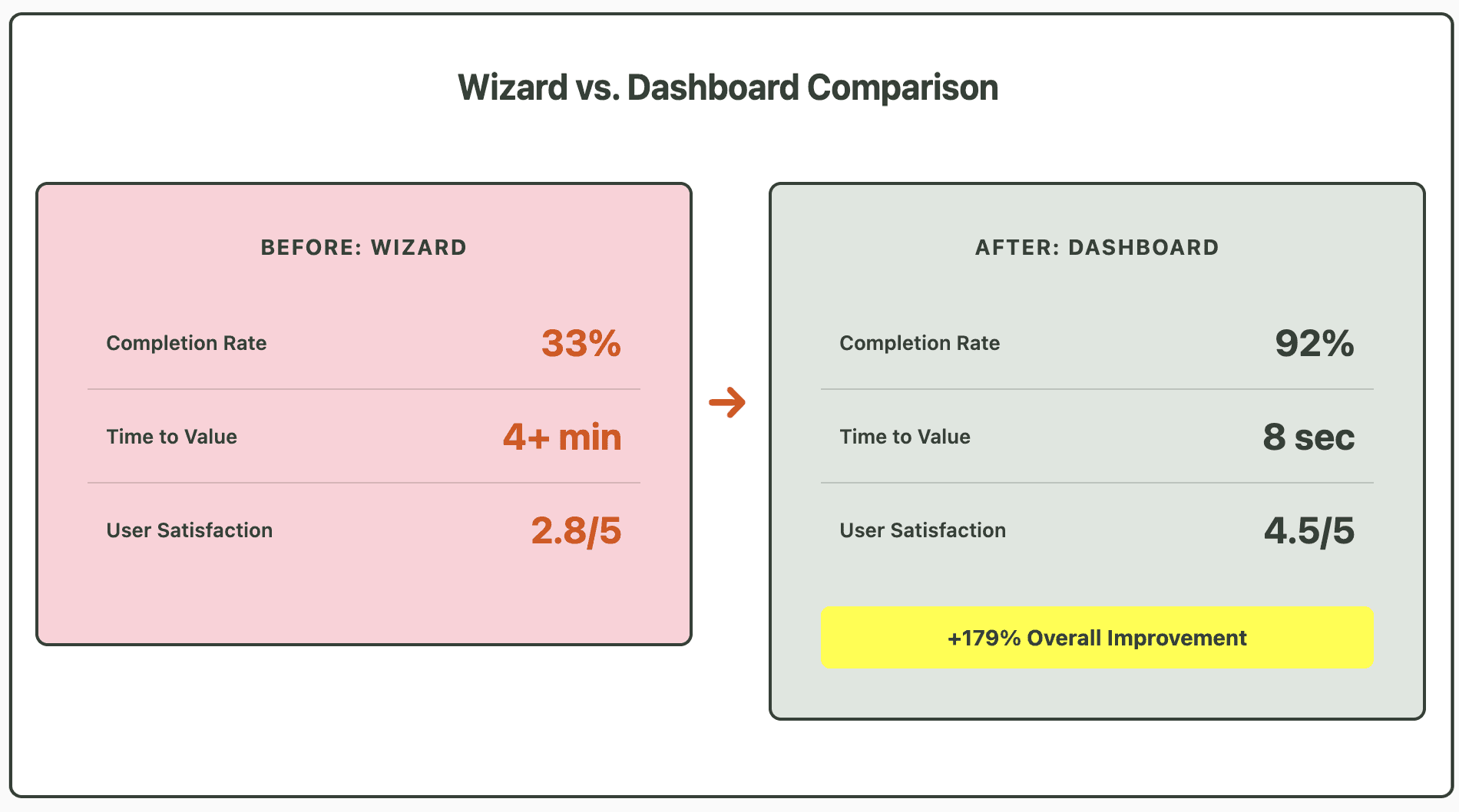
The results were decisive: users preferred MVP2's immediate-value approach by a significant margin. Parents needed proof of value before committing time.
Validation: Parents immediately grasped their resident school situation and magnet eligibility—confirming these were the critical first questions.
Critical Issue: However, the wizard approach caused 67% abandonment, with only 3 out of 9 able to complete without frustration.
Pivot: This feedback forced a fundamental rethink: trust must be earned before commitment is requested—the interface should prove its worth immediately.
Visual Identity:
Designing for stressed parents making high-stakes educational decisions required a visual system that conveyed professionalism, trustworthiness, and clarity while remaining professional and approachable.
Logo Design
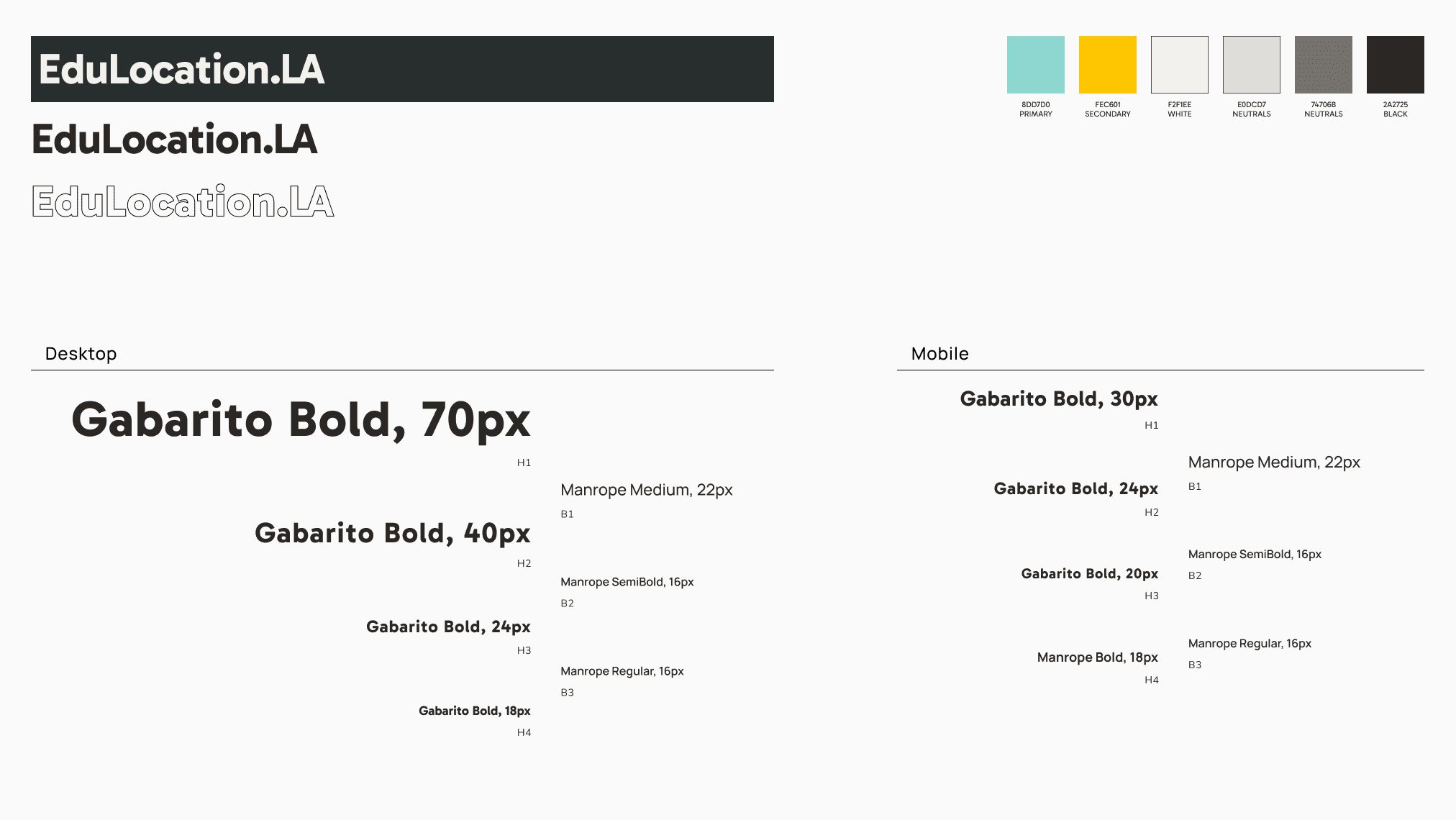
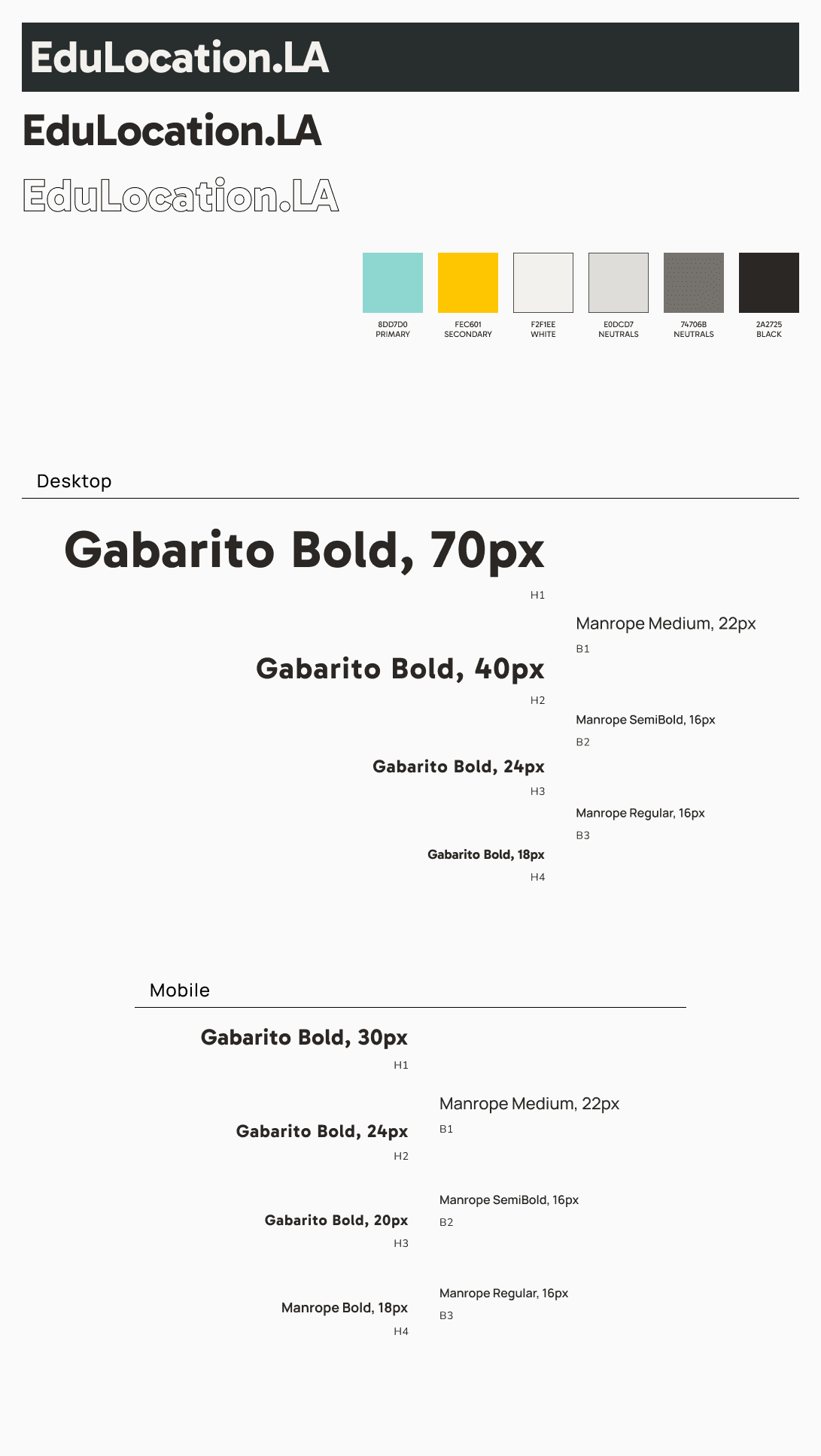
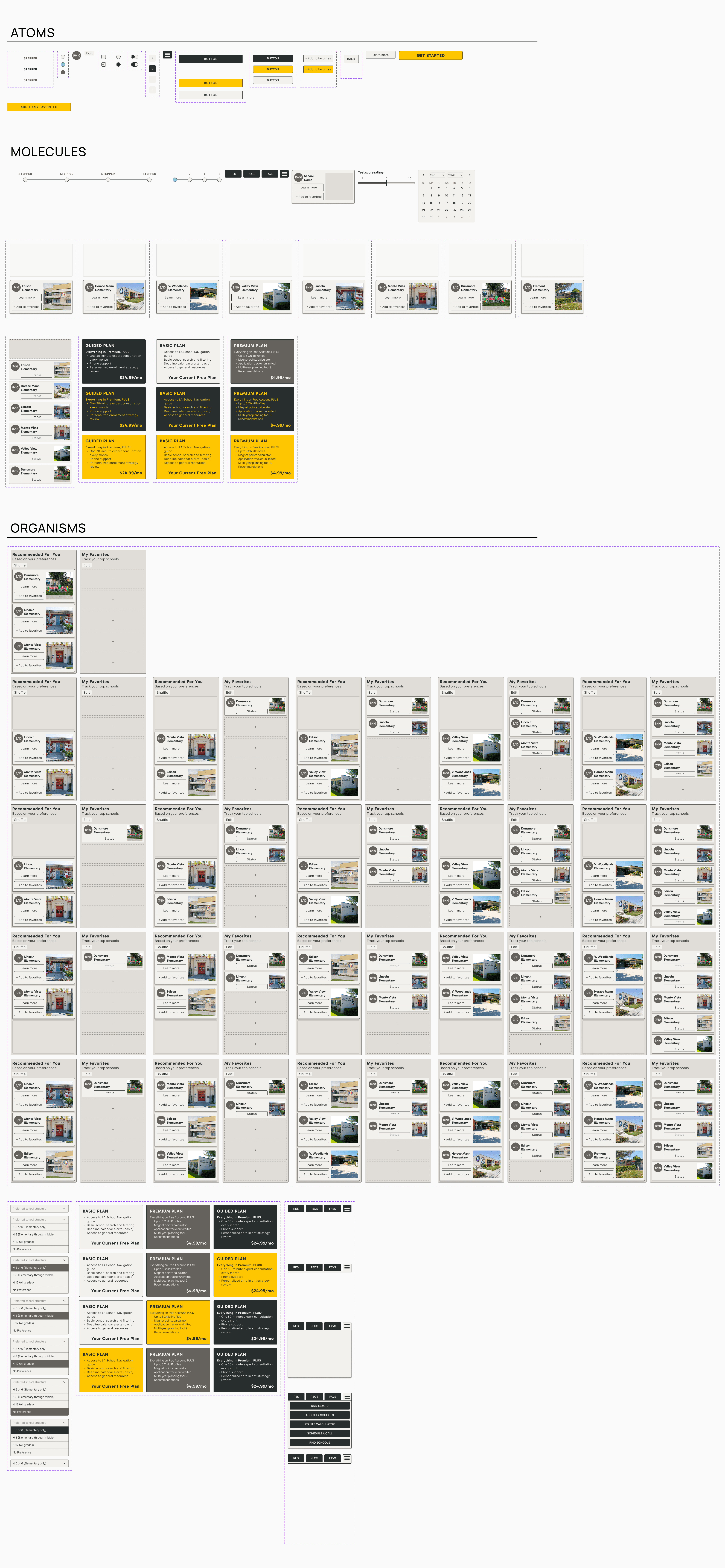
Why this approach: Parents are drowning in information. The visual system needed to CLARIFY data, not add visual noise. The sharp corners and structured layouts convey "this is a professional tool that respects your intelligence.
High Fidelity Designs
Building for complex decision-making required addressing challenges that don't exist in simpler consumer products.
Assessment-First Onboarding
Challenge: Most SaaS tools require account creation before showing value. Parents needed to see personalized results before committing time.
Solution: Address input on the landing page provides immediate resident school assessment BEFORE account creation. This "try before you buy" approach reduced bounce rate and increased qualified signups.
School Search & Comparison
Challenge: LAUSD has over 600 schools with varying programs, test scores, and eligibility requirements. Parents were overwhelmed by choice and struggled to identify schools that matched their priorities and child's needs.
Solution: Three-column filter system allows parents to narrow schools by characteristics (type, grade levels, programs), location & logistics (distance, transportation), and quality metrics (test scores, class size). Side-by-side comparison view enables parents to evaluate multiple finalists simultaneously, reducing decision anxiety.
Expert Consultation Scheduling
Challenge: Even with data and tools, parents wanted human validation before submitting high-stakes applications with limited annual opportunities. DIY tools felt insufficient for six-figure life decisions.
Solution: Guided tier members can book 1-on-1 consultations with LAUSD enrollment specialists through a streamlined three-column form. Parents select availability, specify consultation focus areas, and describe their enrollment questions—then receive expert matching within 24 hours.
This approach satisfied both user groups: parents got simplified guidance without feeling condescended to, and the platform could grow with them from initial research through multi-year strategic planning.
"Turns out it doesn't require
a PhD. I can navigate LA schools
for just 25 bucks!"
The Resolution:
Unlike consumer apps measured in engagement, Edulocation's success lives in DECISION CONFIDENCE and COMPLETION RATES—metrics that actually matter to families.
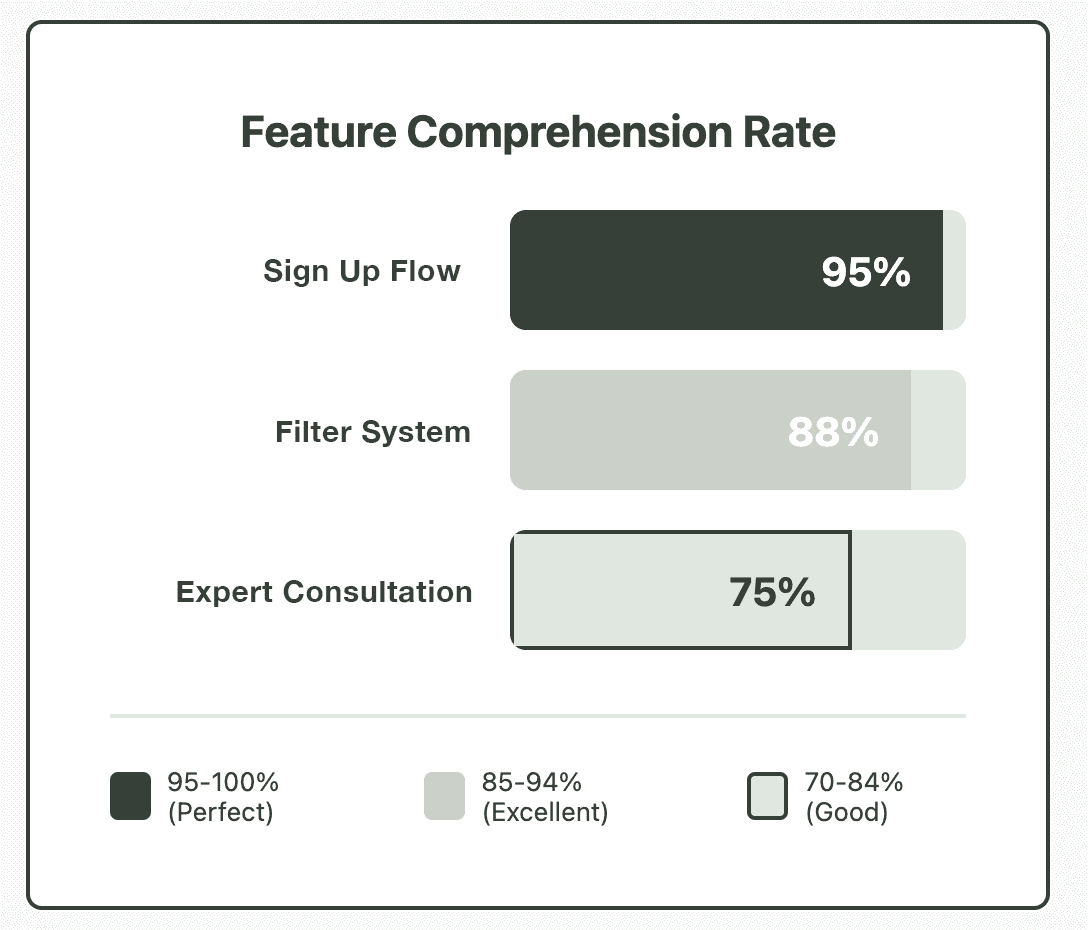
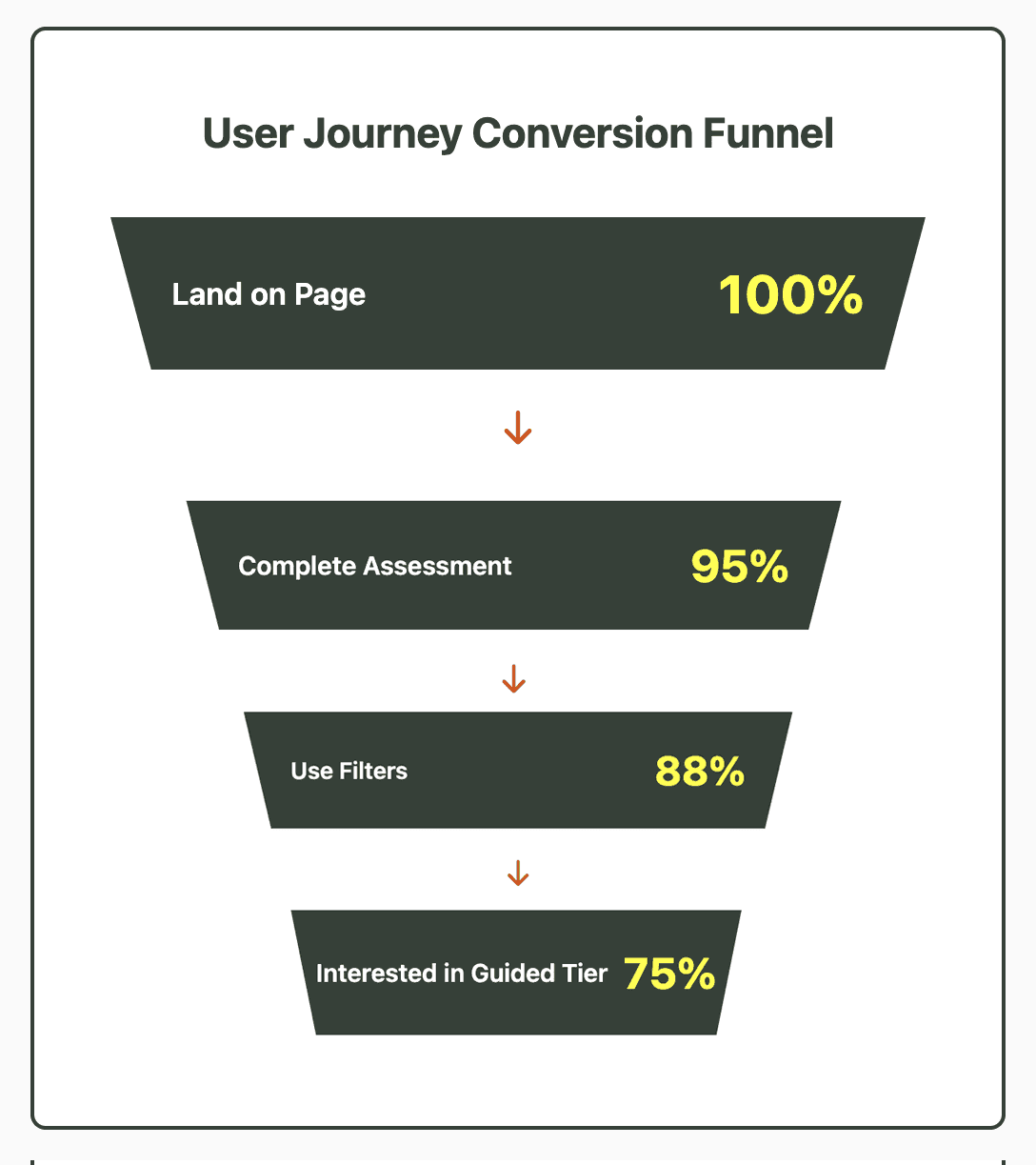
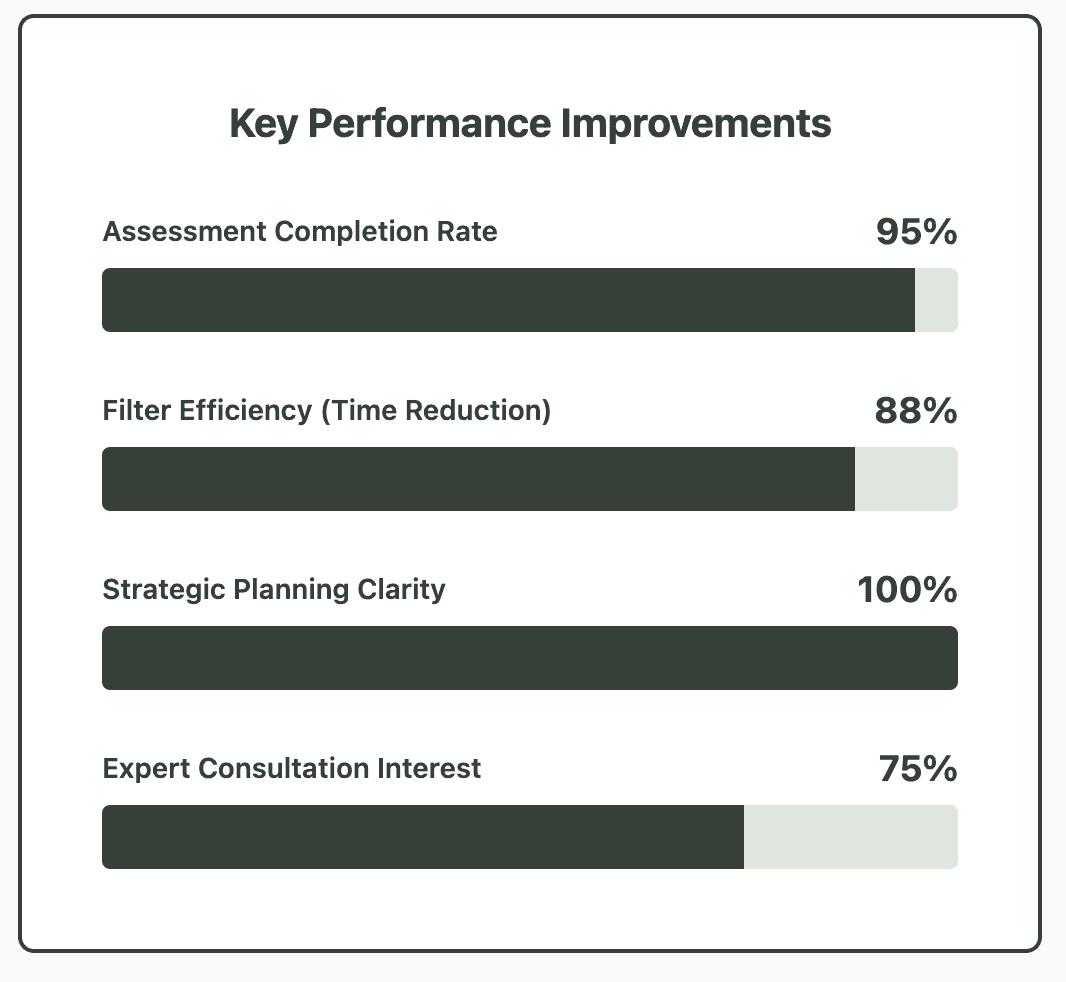
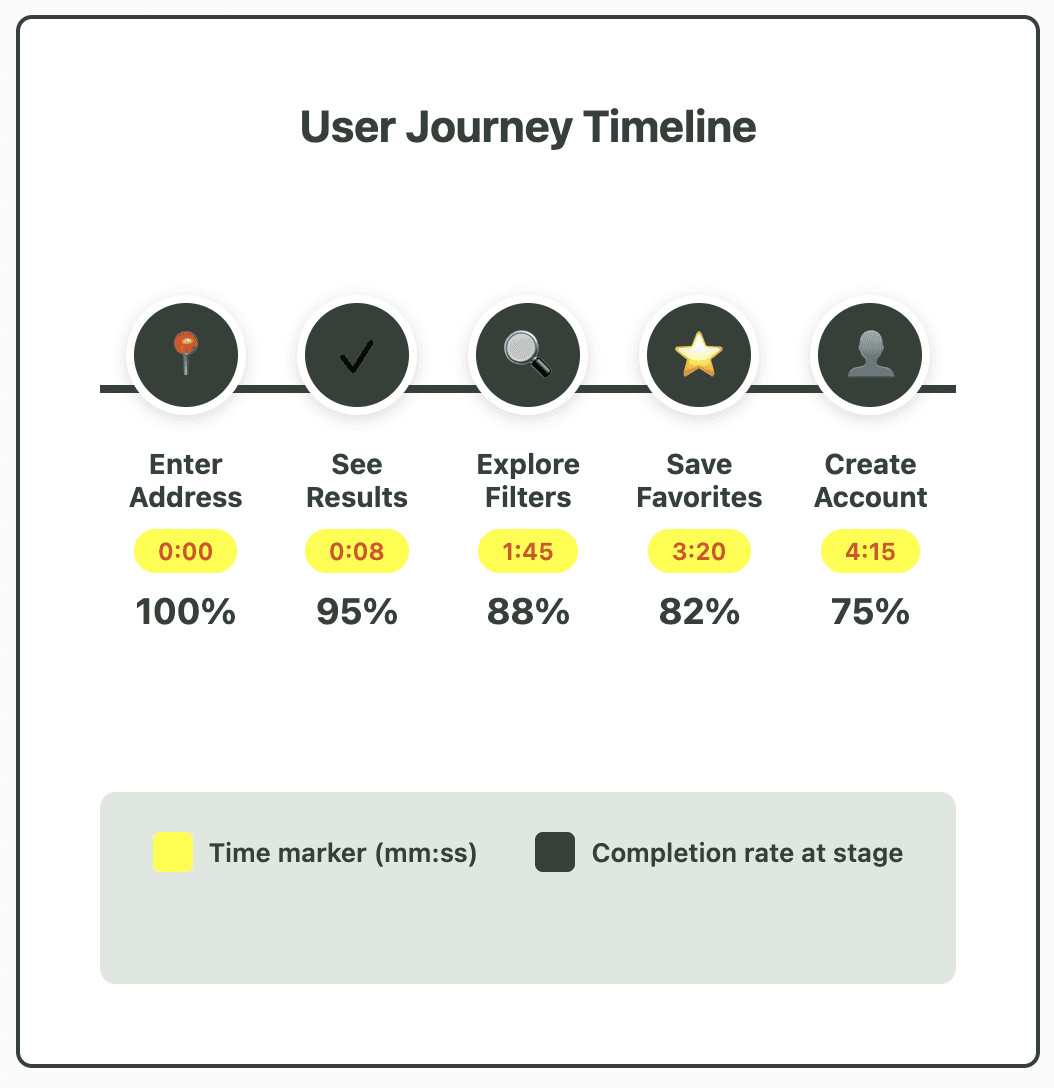
Civic data isn't just information—it's decision support: Parents don't need more data; they need context, interpretation, and strategic guidance tailored to their specific situation.
Assessment before commitment reduces friction: Showing immediate value before requiring account creation increased qualified conversions without sacrificing data quality.
Tiered service models must align with user sophistication: Free users want DIY tools, Premium users want automation and tracking, Guided users want human expertise—each tier must feel complete for its audience.
Scaling Edulocation.LA
Looking ahead, the next critical feature is developing multi-child portfolio management that emerged from user research. Families with multiple children need to coordinate applications across different grade levels, optimize magnet points for siblings, and track overlapping deadlines—yet current tools treat each child as an isolated case.
The challenge: managing complexity without overwhelming already-stressed parents. The solution: a unified portfolio view showing all children's timelines simultaneously, highlighting sibling priority opportunities, and surfacing strategic insights that transform enrollment from isolated decisions into coherent family strategy.
Beyond multi-child management, Edulocation's next evolution involves real-time LAUSD integration. API connections would enable live application tracking, waitlist updates, and acceptance notifications within the dashboard—eliminating the anxiety of refreshing multiple district portals during decision season.